The Role of Massage Icons in Modern Web Design and Infographics
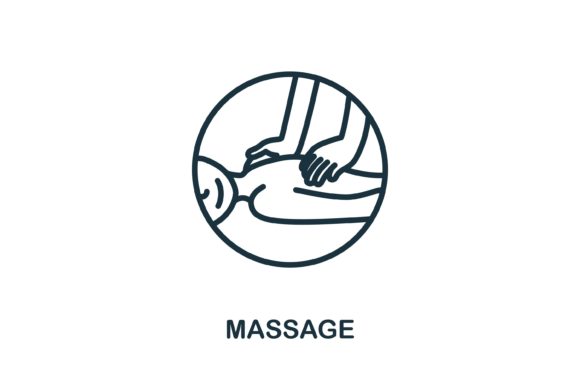
As digital communication becomes more visual, the use of icons to convey meaning quickly and effectively has grown in importance. Among these, the Massage icon from alternative medicine collections stands out for its relevance in wellness, healthcare, and lifestyle content. Whether you're designing a website, creating an infographic, or developing a mobile app, incorporating a well-designed massage icon can enhance user experience and improve message clarity.
Why Massage Icons Matter
Icons are more than just decorative elements—they serve as visual shorthand that users can instantly recognize. The Massage icon, especially when sourced from a comprehensive alternative medicine collection, offers a clear representation of relaxation, therapy, and body care. In industries such as spas, wellness centers, fitness apps, or health blogs, using a massage icon helps communicate services and benefits without the need for lengthy explanations.
These icons are often delivered as vector graphics, which means they can scale without losing quality. This makes them ideal for use across various platforms, from mobile interfaces to print materials. When you download a Massage icon set, you typically receive both EPS and JPG files, giving you flexibility in how and where you use them.
Practical Uses of Massage Icons in Design Projects
Massage icons are incredibly versatile and can be used in a variety of design contexts:
- Website Navigation: Use a massage icon to label a services page or appointment booking section.
- Infographics: Incorporate the icon into wellness-related data visualizations to represent relaxation or therapy statistics.
- Mobile Apps: In health and fitness apps, a massage icon can guide users to self-care features or professional service directories.
- Promotional Materials: Flyers, banners, and social media posts for spas or wellness retreats benefit from the instant recognition a massage icon provides.
Because these icons are usually simple line graphics, they blend well with modern minimalistic design trends. They are also easy to customize—whether you need to change the color to match your brand palette or resize them for different screen resolutions.
How to Choose the Right Massage Icon for Your Project
When selecting a Massage icon from an alternative medicine collection, consider the following factors:
- Style Consistency: Ensure the icon matches the visual style of your existing design elements. A flat design icon may not fit well with a skeuomorphic interface.
- File Format: Look for icons that come in both EPS and JPG formats. EPS files are best for scalable vector use, while JPG is useful for quick previews and web use.
- Customizability: Vector-based icons allow for easy editing in tools like Adobe Illustrator or free software like Inkscape. This is crucial if you need to tweak the design for your branding.
- Contextual Relevance: The icon should clearly represent the concept of massage or body therapy. Avoid overly abstract designs that could confuse users.
Many design platforms and marketplaces offer curated icon sets, including those focused on wellness and alternative medicine. Always check licensing to ensure you're allowed to use the icon in both commercial and personal projects.
Integrating Massage Icons into Wellness Branding
For businesses in the wellness industry, using a Massage icon as part of your branding strategy can reinforce your message of relaxation and care. Spas, yoga studios, and holistic health practitioners often incorporate these icons into their logos, service pages, and marketing materials to create a cohesive and recognizable visual identity.
For example, a wellness app might use a massage icon to represent a “relaxation mode” or guided self-massage feature. A health blog could use the icon to label a section on therapeutic treatments. These subtle visual cues help users navigate content more intuitively and build trust in your brand.
Designing with Massage Icons: Tips and Best Practices
Here are some practical tips for using Massage icons effectively in your design projects:
- Use Consistent Sizing: Icons should be visually balanced with surrounding text and images. Avoid making them too large or too small.
- Pair with Clear Labels: While icons are powerful, they work best when paired with text labels, especially for less common symbols.
- Optimize for Different Devices: Ensure icons remain clear and recognizable on both desktop and mobile screens.
- Test for Accessibility: Consider color contrast and alternative text when placing icons on websites to ensure accessibility for visually impaired users.
By following these best practices, you can ensure your designs remain both aesthetically pleasing and functionally effective.
Where to Find High-Quality Massage Icons
There are numerous sources for downloading Massage icons, including design marketplaces like Flaticon, Noun Project, and Creative Market. Many of these platforms offer both free and premium options, with the latter often providing higher quality, more customization, and better licensing terms.
When downloading, always verify that the package includes both EPS and JPG files. EPS files are essential for high-quality printing and scalable web use, while JPG files are handy for quick previews and basic edits. If you're working with a team or using the icon across multiple platforms, having both formats ensures flexibility and ease of use.
Final Thoughts on Using Massage Icons
Incorporating a Massage icon into your design isn't just about aesthetics—it's about enhancing communication and improving user experience. Whether you're building a website, creating an infographic, or developing a mobile app, the right icon can make a big difference in how your audience interacts with your content.
By choosing high-quality, easily editable icons from a reputable source, you ensure that your design remains professional and adaptable. As trends in digital design continue to evolve, the importance of clear, meaningful visuals like the Massage icon will only continue to grow.