Camera Icon: Enhancing Visual Communication in Web Design and Infographics
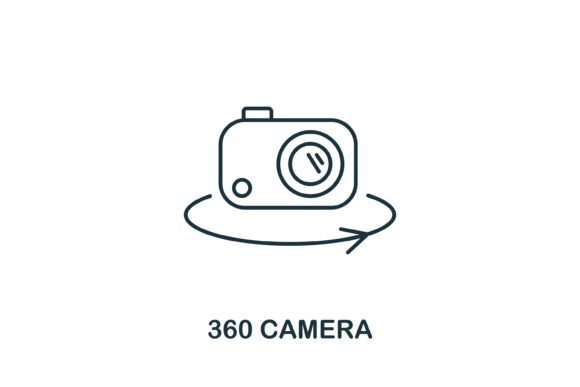
The Camera Icon has become a staple in modern digital design, especially in the context of augmented reality and interactive media. As a simple line element, it serves as a visual cue for capturing moments, documenting processes, and integrating visual storytelling into various platforms. Whether used in templates, web design, or infographics, the Camera Icon helps convey the idea of observation, documentation, and creation in a universally recognizable way.
When combined with a 360 Camera Icon from an augmented reality collection, the visual language expands to include immersive experiences and spatial awareness. These icons are not just decorative elements—they are functional symbols that guide users through digital interfaces, enhance user experience, and support content creation workflows. Their vector format ensures scalability without loss of quality, making them ideal for both print and digital use.
How Camera Icons Fit Into Real-World Workflows
Designers, marketers, educators, and entrepreneurs often rely on visual elements to streamline communication and enhance user engagement. The Camera Icon plays a subtle but important role in this process. It can signal the availability of visual tools, indicate areas where photos or videos can be uploaded, or represent the act of capturing data in real time.
For example, in a web application that allows users to upload images or take photos directly from their devices, the Camera Icon serves as a visual trigger for that functionality. Similarly, in educational platforms or instructional infographics, it can denote sections where visual documentation is encouraged or expected.
Integration with Other Tools and Platforms
One of the strengths of the Camera Icon and its 360-degree counterpart is their versatility. These icons can be easily integrated into a wide range of digital tools and platforms, including:
- Content management systems (CMS) like WordPress and Drupal
- Graphic design software such as Adobe Illustrator and Figma
- Mobile app interfaces and augmented reality experiences
- Presentation tools like PowerPoint and Google Slides
- Infographic generators and data visualization platforms
Because they are available in both EPS and JPG formats, users can edit and scale them according to their specific needs. This compatibility ensures that the Camera Icon can be used across different stages of a project—whether in the planning phase to represent visual elements, during execution to guide user interaction, or post-launch to maintain visual consistency.
Practical Use Cases Across Industries
From real estate to e-commerce, education to remote collaboration, the Camera Icon finds relevance in multiple industries. Here are a few practical examples of how it can be applied:
- Real Estate Platforms: A 360 Camera Icon can be used to indicate virtual property tours, enhancing the user experience by signaling immersive visual content.
- E-commerce Sites: In product upload interfaces, the Camera Icon guides sellers on where to add images, improving usability and reducing friction in the listing process.
- Educational Tools: For platforms that encourage student-generated content, the icon can represent areas where learners can upload or capture images related to assignments or projects.
- Augmented Reality Apps: In AR environments, the Camera Icon often represents the ability to capture and save visual experiences, bridging the gap between digital and physical worlds.
- Marketing Dashboards: When visual analytics are part of performance tracking, the icon can serve as a toggle for switching between data views and visual reports.
Preparing for Efficient Implementation
Before incorporating the Camera Icon into your design or application, it's important to consider a few practical factors to ensure smooth integration:
- Consistency: Ensure the icon aligns with your existing visual style guide in terms of color, line weight, and overall design language.
- Scalability: Since the icon comes in vector format (EPS), it can be resized without losing quality, making it suitable for both high-resolution screens and print materials.
- Accessibility: Pair the icon with clear text or tooltips to ensure all users understand its function, especially those relying on screen readers or alternative navigation tools.
- Context: Use the icon in a way that matches user expectations. Placing it in a settings menu or a content upload section makes intuitive sense, while placing it in unrelated areas can cause confusion.
Maximizing Long-Term Value
Icons like the Camera Icon and the 360 Camera Icon are more than just design assets—they are part of a larger visual ecosystem that supports user interaction and digital storytelling. To get the most out of them over time:
- Organize your assets: Keep icons stored in a centralized folder or design system to ensure easy access and consistent use across projects.
- Update as needed: If your platform evolves, revisit how the icon is used and whether it still aligns with current functionality and user behavior.
- Test for usability: Conduct A/B testing or user surveys to see if the icon improves navigation or if it needs to be adjusted for better clarity.
- Document usage: Create internal guidelines for how and where the icon should be used to maintain visual consistency across teams and projects.
Conclusion: A Small Icon with Big Impact
The Camera Icon may seem like a minor design element, but its impact on user experience and workflow efficiency can be significant. Whether you're designing a website, building an app, or creating an infographic, incorporating this simple line element can help guide users, enhance visual communication, and support a more intuitive digital experience. Paired with the 360 Camera Icon from an augmented reality collection, it opens the door to immersive and interactive content creation that aligns with modern design trends and user expectations.
With its ease of use, scalability, and compatibility across platforms, the Camera Icon is a valuable asset for professionals, creators, and businesses looking to streamline their visual communication strategies. By understanding how it fits into broader workflows and planning for its long-term integration, you can ensure that it remains a functional and effective part of your digital toolkit.